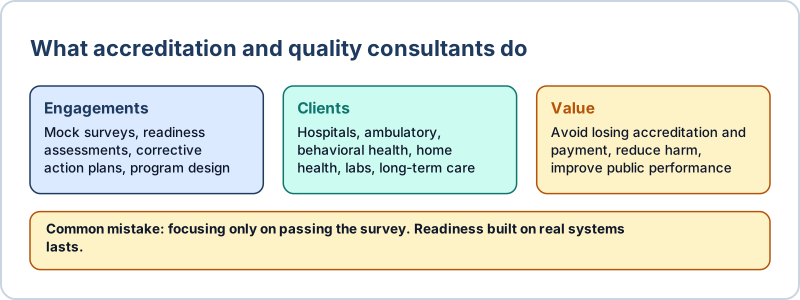
Consultants prepare organizations for accreditation surveys, respond to findings and build quality systems that improve outcomes.
Engagements
Mock surveys, readiness assessments, corrective action plans, quality program design and improvement projects.
Clients
Hospitals, ambulatory centers, behavioral health, home health, laboratories and long-term care.
Value
Avoiding loss of accreditation and payment, reducing patient harm and improving publicly reported performance.
Common mistake
Focusing only on passing the survey. Standards exist to improve care; readiness built on real systems lasts.
Key Takeaways
- Mock surveys, readiness assessments, corrective action plans, quality program design and improvement projects.
- Hospitals, ambulatory centers, behavioral health, home health, laboratories and long-term care.
- Avoiding loss of accreditation and payment, reducing patient harm and improving publicly reported performance.
Check Your Understanding
Before moving on, explain in your own words the most important point from “What Accreditation and Quality Consultants Do” and name one situation in your work or family where you would apply it, and who you would report to or ask if unsure.
Action Step
List the accrediting and regulatory bodies relevant to a hypothetical hospital and the consequence of losing each status.
This course is educational only. It is not legal, regulatory, financial, tax or clinical advice, does not create a consultant-client or attorney-client relationship, and does not issue any license, certification or credential. Healthcare laws and regulations change frequently and vary by state; consult qualified healthcare counsel, compliance officers and licensed professionals before acting on any matter discussed here. Accreditation standards are the property of their respective organizations; this course is independent of them and describes them for educational purposes only.